Kitchen Pest Management in North York: How to Stop Common Home Pests
Kitchen pests are a stressful reality for many homes in North York, ON, especially in a dense part of Toronto’s urban residential landscape where detached houses, townhomes, and high-rise condos all sit close together. No matter if you’re near Yonge and Finch, in Bayview Village, or around North York Centre, kitchens can quickly become a target for pests looking for food, water, and shelter. Trusted pest control North York solutions aim to stopping the problem at the source, not just reacting after an infestation grows.
Since kitchens provide easy access to food crumbs, moisture, and hidden shelter, they can attract a broad variety of kitchen pests. The most common problems include ants, cockroaches, and mice, but many homeowners also deal with pantry moths and silverfish. In multi-unit buildings, shared walls and utility lines can make pest spread more likely, which is why prevention, monitoring, and timely control measures play such a key role.
What Kitchen Intruders Tend to Be Common in North York Homes?
In North York homes, the usual kitchen invaders are ants, cockroaches, and mice. They are drawn to easy food sources and can thrive in both established residential properties and recent condo buildings. In apartments and other multi-unit housing, pests often spread through shared service spaces, making one unit’s problem a building-wide concern.
Ants usually appear first as a trail near countertops, sinks, or baseboards. They are often tracing tiny traces of food or water. Cockroaches are a major concern because they favor warm, hidden areas like cabinet corners, wall voids, and appliance gaps. They can remain active in kitchens where sanitation declines even slightly. Mice are especially troublesome because they are part of the broader category of rodents and can slip through very small entry points in walls, floors, and utility penetrations.
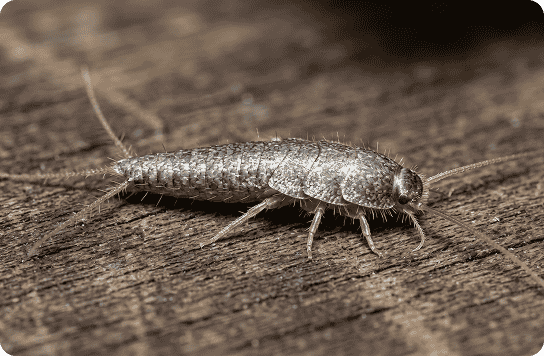
Other pests can also show up in kitchen environments. Pantry moths are often associated with dry goods such as flour, cereal, grains, and pet treats, while silverfish may be found in damp storage areas or under sinks. Although these pests are less dramatic than rodents or roaches, they still point to food storage or moisture issues that need attention.
In North York, the mix of older detached homes and high-density condo living means kitchen pest issues can range from isolated nuisances to ongoing infestations. The key is recognizing the pest correctly so that the right elimination strategy and prevention steps can be used.
How come Kitchen spaces Lure Unwanted pests in North York
Kitchen spaces naturally attract insects because they supply 3 things pests need: meals, moisture, and protection. In many North York homes, even a small amount of food residue on counters, in drawers, or under appliances can be sufficient to bring in ants or cockroaches. Food crumbs, spatters, and uncovered dry goods are all common sources of food.
Moisture is a further important factor. Leaky sinks, condensation around refrigerators, damp dishcloths, and humid cabinets can create ideal conditions for pests to survive. Many pests, including cockroaches and silverfish, seek out damp, protected areas where they can hide during the day. This hidden shelter is called harborage, and kitchens often have extra of it than homeowners realize.
Cracks and gaps also serve a big role. Small openings around baseboards, plumbing, cabinetry, and wall fixtures can become entry points for pests. In homes across North York, especially in older buildings, these openings may be tough to notice without a full inspection. In condos and townhomes, shared pipes and wall cavities can also allow pests to travel between units.
Toronto weather creates another layer to the problem. As temperatures drop, especially during cold Ontario winters, rodents and other pests move indoors in search of warmth and food. This seasonal activity often makes kitchen problems worse from late fall through winter. In many cases, a small autumn pest issue becomes a much larger indoor infestation by January or February.
Warning Signs You Need Pest Control in North York
Food preparation pest concerns often develop slowly, but there are clear warning signs that professional help may be needed. A major one of the most obvious is droppings, especially near cupboards, along walls, or behind appliances. Rodent droppings are a reliable sign of mouse activity, while smaller droppings may point to cockroaches or other pests.
Gnaw marks are another red flag. Mice and other rodents often chew on cardboard packaging, wood, plastic containers, and even wiring. If you notice shredded corners on food packages or damage around cabinet edges, rodents may be actively searching for food in the kitchen.
Sightings at night also matter. Many kitchen pests are nocturnal, so seeing cockroaches or mice after dark can suggest the problem is more serious than it first appears. If you hear movement in walls or under the fridge at night, that can be another sign of hidden pest activity.
Odd odours should not be ignored either. A musty or greasy smell may be linked to cockroaches, while a strong urine-like odour can indicate rodents. These smells often appear before homeowners see the pests themselves. In a residential kitchen, any unusual smell combined with droppings or chew damage should prompt a closer look.
If these signs are https://brampton-onpr227.huicopper.com/how-to-get-rid-of-cockroaches-in-north-york repeating, the issue may already be an infestation rather than a one-time visitor problem. That is usually the point where pest control North York services become the most reliable solution.
How to Remove Kitchen Pests Safely
Careful kitchen pest removal starts with sanitation. Scrub counters, sweep floors, remove spills quickly, and eliminate crumbs from drawers, under appliances, and along cabinet edges. Sanitation is not just about making the kitchen look clean; it cuts off the food sources pests depend on.
Next, optimize food storage using airtight storage containers. Pantry moths, ants, and mice can all exploit loose packaging. Glass, hard plastic, and sealed metal containers are much better at protecting dry goods than open bags or flimsy cardboard boxes. This is especially important in North York condos and apartments, where kitchen space is limited and pantry clutter can build quickly.
Closing access points is essential for long-term control. Look for small holes and voids around pipes, baseboards, cabinets, and utility openings. Use proper sealing materials to close these spaces and reduce pest access. This kind of proofing is one of the most effective control measures for both insects and rodents.
Strategic baiting can be useful when applied correctly. Treated baits target pests such as ants and cockroaches by drawing them to a treated food source that they carry back to the colony or nest. For mice, catch traps may be part of the plan, especially when used alongside rodent-proofing and sealing work. The goal is not just immediate elimination, but reducing the chance of recurrence.
In many cases, the best results come from integrated control methods, which combines sanitation, monitoring, exclusion, and targeted treatment rather than relying on one quick fix. This approach is more sanitary, more precise, and better suited to busy North York households.
Do-it-yourself Pest Prevention Tips for North York Kitchens
Do-it-yourself prevention can make a major difference, especially if you remain consistent. A daily cleanup routine should include sticking to counter wipes, cleaning floors, rinsing dishes, and checking under small appliances for crumbs. Even small bits of food crumbs can lure ants or cockroaches, so regular attention helps prevent a larger problem from starting.
Pay close attention to garbage disposal. Take out kitchen waste frequently, keep bin lids closed, and clean garbage containers so they do not become a food source. Recycling bins can also attract pests if jars, cans, or food containers are not rinsed properly.
Do not forget about pet food. Bowls left out overnight can draw ants, mice, and even cockroaches. Store pet kibble in sealed containers and clean feeding areas daily. In homes with pets, this step is one of the most overlooked parts of prevention.
Watch for humid areas such as under sinks, near dishwashers, or around refrigerators. Moisture control matters because many kitchen pests thrive in damp spaces. Fix minor leaks, dry surfaces quickly, and use ventilation where needed. A drier kitchen is a less welcoming kitchen for pests.
These simple habits work best when they become part of your routine rather than one-time chores. Prevention is always easier than dealing with a full infestation later.
When you should contact a Professional Pest Control North York Service
Some cooking pest problems can be handled with simple cleaning and sealing, but others need professional help. If you are dealing with a confirmed infestation, especially one involving cockroaches or mice, it is time to call a pest control North York service. Professional support becomes even more important when there is repeat activity after DIY efforts.

A professional inspection can pinpoint the source of the issue, the type of pest, and the hiding places you may not be able to reach on your own. This matters in kitchens because pests often nest behind appliances, inside cabinets, or in wall voids. A technician can assess the full situation and build a targeted treatment plan.
In North York’s condo towers and shared-wall housing, professional service is especially valuable because pests may be travelling through common areas or from neighbouring units. A discreet service approach can help address the issue without unnecessary disruption to residents or building management. For many homeowners, this is the fastest path to real elimination.
If the issue keeps returning after cleaning or trapping, do not wait. Recurring pest activity usually means there is a deeper access or harbourage problem that needs professional attention.
What Happens During a Kitchen Pest Inspection
A kitchen pest inspection starts with a thorough look at likely entry points. This can include spaces around pipes, damaged seals, baseboards, cabinet junctions, and openings near vents or utility lines. In North York homes, especially older properties and condo units with shared systems, these openings are common and often quick for pests to use.
The inspector will also check harborage areas. These are the hidden, protected places where pests travel, such as behind the stove, under the fridge, inside cabinet voids, and beneath sinks. Appliance gaps are especially important because they offer darkness, warmth, and limited disturbance. That makes them ideal for roaches and mice.
During the inspection, the professional may set up monitoring devices or identify areas where monitoring should be improved. This helps determine how active the pests are and whether the treatment is succeeding over time. Monitoring is useful for both detection and verification.
After the inspection, the technician should describe what was found, what type of pest is present, and what control measures are recommended. A good inspection leads directly into a focused treatment plan that addresses both the immediate pests and the conditions that allowed them in.
Stopping Future Kitchen Pest Problems in North York
Long-term protection depends on exclusion, ongoing maintenance, and a practical prevention strategy. Once pests are removed, the next step is making sure they cannot easily return. That means sealing new gaps, checking screens and door sweeps, and keeping an eye on plumbing penetrations and cabinetry.
Seasonal prevention is especially important in North York because pest pressure varies through the year. Cold months can push rodents indoors, while warmer weather can increase ant activity and other household pest issues. A seasonal checklist helps you respond before pests become active again.
Regular rodent-proofing should be part of the maintenance in households, townhouses, and buildings with shared walls. This includes checking attic access points, utility lines, and kitchen exterior walls where mice may enter. In living and multi-unit settings alike, prevention works best when homeowners stay proactive.
A straightforward homeowner checklist can help:
- Keep counters and floors free of food debris.
- Place dry goods in sealed containers.
- Check under sinks for leaks and dampness.
- Fill cracks around pipes, cabinets, and walls.
- Take out garbage regularly and clean bins.
- Cut down on clutter that can create hidden harbourage.
- Look for new droppings, gnaw marks, or other signs of activity.
Good prevention is not a one-time project. It is a collection of habits that shield the kitchen from pest pressure all year long. In a busy city neighbourhood like North York, that consistency makes a real difference.
FAQ About Kitchen Pest Control in North York
What are the most common kitchen pests in North York homes?
The most common kitchen pests in North York homes are ants, cockroaches, and mice. Homeowners may also deal with pantry moths and silverfish, especially where food storage or moisture is an issue. In apartments and condo buildings, rodents and roaches can spread more easily through shared spaces.
How do I know if I need professional pest control in North York?
You likely need professional pest control North York help if you see droppings, gnaw marks, repeated sightings at night, or odd odours. If the problem keeps returning after cleaning and DIY efforts, an inspection and custom treatment plan are a smart next step.
Are DIY traps enough to handle kitchen pests?
Sometimes traps can reduce mouse activity or help capture a few pests, but they are rarely enough on their own. For long-term results, you usually need sanitation, sealing, monitoring, and other control measures. If the source of the infestation is not addressed, pests may return.
How much time does kitchen pest treatment usually take?
The timing depends on the pest, the extent of the infestation, and how much exclusion work is needed. A small issue may improve quickly, while a bigger infestation in a condo or multi-unit building may take longer. The best way to estimate service timing is through a proper inspection and a clear treatment plan.
How can I prevent pests from coming back in my kitchen?
Focus on prevention through regular sanitation, sealed food storage, moisture control, and exclusion work. Keep checking entry points, maintain a cleanup routine, and watch for seasonal changes that may bring pests indoors. Ongoing maintenance is the best way to reduce recurrence in North York kitchens.